
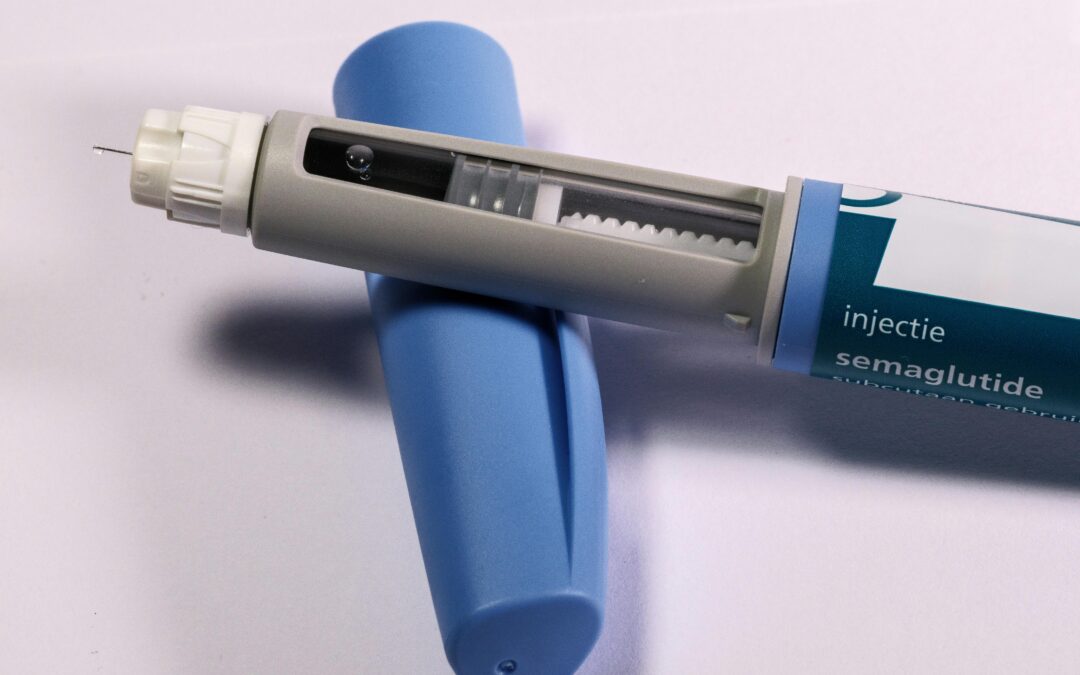
GLP-1 Medications for Weight Loss
GLP-1 Medications
GLP-1 medications like Ozempic and Wegovy are prescription medications, meaning they are only recommended and prescribed by a doctor for individuals who meet specific medical criteria. When used appropriately, they are changing the way people approach weight loss, appetite control, and blood sugar management. For many, they work incredibly well, especially in the early stages. But what often gets overlooked is this: the medication itself isn’t the full weight loss strategy. It creates a window of opportunity, and what you do during that window is what determines whether your results actually last.
GLP-1 medications work by mimicking a natural hormone that regulates appetite, slows digestion, and helps stabilise blood sugar levels. This leads to reduced hunger, fewer cravings, and a natural drop in calorie intake without relying on willpower. For people who have struggled with constant hunger or food noise, this can feel like a complete shift. But eating less doesn’t automatically mean eating better, and that’s where many people go wrong.
Nutrition and Lifestyle Habits
When calorie intake drops, the risk of under-eating protein and essential nutrients increases. That’s why focusing on nutrient-dense foods is critical when using GLP-1 medications for weight loss. Protein becomes one of the most important factors for protecting your results. It supports lean muscle mass, helps maintain metabolic rate, and improves satiety. Without enough protein, weight loss can come at the expense of muscle as well as body fat, which can negatively impact metabolism and long-term weight maintenance. Building meals around high-quality protein sources like eggs, chicken, fish, dairy, and legumes helps support better body composition even when overall food intake is lower.
Fibre still plays an important role in digestion, gut health, and steady energy levels, while hydration supports digestion, recovery, and overall performance. These basics become even more important when appetite is suppressed, because you have less room for error in your food choices.
Alongside nutrition, training, and lifestyle habits are what separate short-term weight loss from long-term success. When you’re eating less, your body will look for energy from multiple sources. Without the right stimulus, some of that can come from muscle tissue. This is why resistance training is one of the most effective tools you can combine with GLP-1 medications. Strength training helps preserve lean mass, supports metabolic health, and improves overall body composition. In simple terms, it helps ensure that the weight you lose is more fat and less muscle.
Sleep and stress management also directly impact results. Poor sleep and high stress levels can disrupt hunger hormones, increase cravings, and make weight management harder, even when using medication. Consistent sleep and controlled stress levels support better appetite regulation, recovery, and long-term fat loss outcomes.

The Exit Strategy
One of the biggest mistakes people make with GLP-1 weight loss is not thinking ahead to what happens after the medication. At some point, many people reduce their dose or stop altogether. This is where weight regain often occurs, not because the medication failed, but because the habits needed to sustain the results weren’t fully built during the process. When appetite returns, it’s not a setback. It’s a normal biological response.
A strong exit strategy is what protects your results. This means shifting away from relying on appetite suppression and instead building structure into your nutrition and routine. Maintaining adequate protein intake, continuing resistance training, and keeping consistent meal patterns all become essential. As appetite increases, having these habits in place helps you stay in control rather than reverting to old patterns.
Some people approach this phase by gradually increasing their calorie intake while maintaining food quality and structure. The goal isn’t to restrict harder, it’s to stabilise your intake in a way that supports your body without triggering rapid weight regain.
The most effective way to use GLP-1 medications for fat loss is not as a shortcut, but as a tool. A tool that gives you the space to improve your nutrition, build muscle, regulate your eating patterns, and create habits that actually last.
Real success with GLP-1 weight loss isn’t just about how much weight you lose while on the medication. It’s about whether you can maintain those results long after it’s reduced or removed. And that’s the part most people miss, but it’s the part that matters most.

Recent Comments